Best Laptops Under £600 for 2026 in the UK
Looking for a laptop that can handle real work without costing a small fortune? You've hit the jackpot. Recently, the sub-£600 laptop market has come a long way. Now, you can snag a device equipped with modern Snapdragon X chips, reasonable RAM, and spacious SSDs that power through a day of meetings or lectures. They might not replace your high-end workstation, but they'll surely handle spreadsheets, browser tabs, and light photo edits without breaking a sweat.
In this guide, I've put some of the best value models through their paces, with insights from UK-savvy sources like Which? and Pickbest. We’re talking about the Asus Vivobook 16 (X1607QA), Acer Aspire 16 (NX.JLNEK.006), the trusty Acer Aspire 5, and the Samsung Galaxy Book4 Edge, perfect for those on the move. Expect practical tips, honest feedback, and a clear sense of who each laptop suits best. Shall we dive in?
Top Picks with Detailed Reviews
1. Asus Vivobook 16 (X1607QA)
.jpg)
- Display & Performance: The Vivobook 16 boasts a crisp 16-inch display paired with a Snapdragon X1-26-100 processor and 16GB of RAM. This setup makes it great for everyday multitasking—browsing, video calls, Office apps, and even a bit of light image editing. It's not a creative beast, but for general tasks, it's quite impressive under £600.
- Build Quality: Mostly plastic, yes, but it’s sturdy enough. The hinge feels reliable, and the chassis doesn’t creak when you pick it up. Think of it as solid budget engineering, not premium aluminium.
- Battery Life: Generally, you can expect "full-day productivity" with mixed use. I've used a few Vivobook models, and you'll likely get through a full workday if you're more into emails than gaming marathons. The Snapdragon's efficiency certainly helps.
- Pricing: The average price in the UK hovers around £579, but it can dip to as low as £429 at major retailers like Amazon UK or Currys during sales. Keep an eye out if you’re not in a rush.
- Known Issues: The touchpad might not win any awards for smoothness—it's a tad less precise compared to pricier models. If you're a trackpad enthusiast, testing it out first is a good idea.
- Ideal User: Perfect for students, office workers, or anyone who wants a big screen for documents and spreadsheets without overspending. Brilliant if you prioritise screen size and battery life over flashy materials.
The Vivobook is your go-to if you want ample screen real estate and RAM at a sensible price. Plus, the onboard AI features, as highlighted by Which? reviewers, are a genuine advantage in this price range.
2. Acer Aspire 16
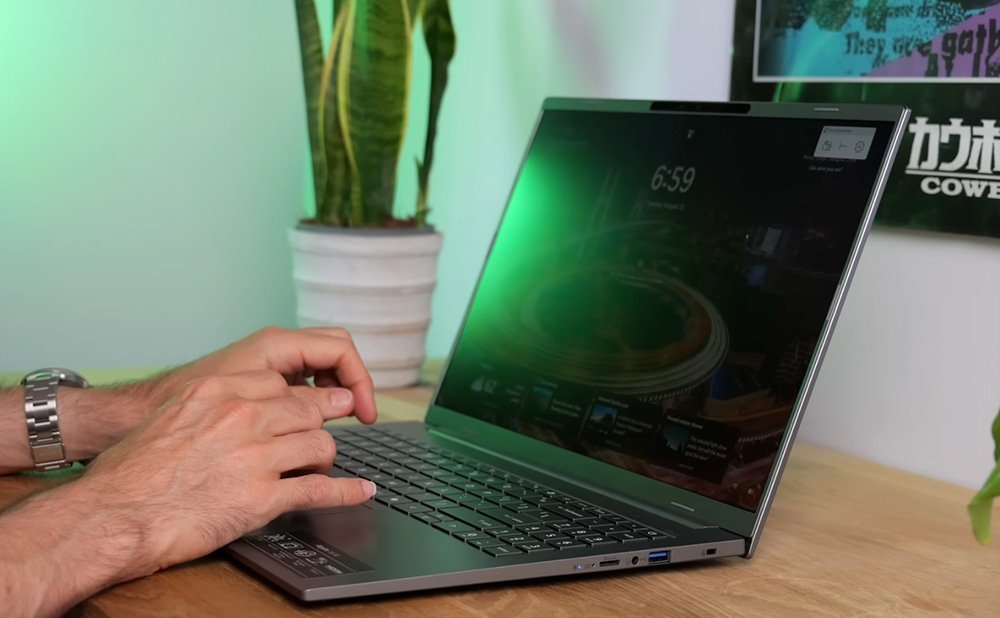
Image thanks to tech spurt review on YouTube
- Display & Performance: Another 16-inch contender, the Aspire 16 packs the same Snapdragon X1-26-100 CPU with 16GB RAM, but it ups the ante with a whopping 1TB SSD. That’s a lot of storage, meaning less time worrying about external drives. Its Arm-based chip provides quick reactions for daily tasks and handles local AI operations better than older budget Intel/AMD counterparts.
- Build Quality: Functional is the word here. The keyboard is comfy for long sessions (a plus for students and professionals, according to Pickbest), and the overall feel is practical. It might not grab style points, but the keyboard and cooling system are thoughtfully designed for the price.
- Battery Life: The battery performance is decent, thanks to the Snapdragon’s efficiency, although some reviews have noted slower boot and charging speeds compared to rivals. Don’t expect it to wake up like your phone; it’s efficient but takes its time with charging.
- Pricing: Typically listed around £709, but retail deals can drop it to £499—making it a steal under the £600 mark. Look for such deals at John Lewis or Amazon UK, especially for the 1TB version.
- Known Issues: It boots and charges slower than some competitors; and heavy x86-only apps might lag since it’s Arm architecture. For most current tasks, it’s fine, but check compatibility if you rely on legacy software.
- Ideal User: Those who need ample local storage and offline AI features—budget-conscious content creators, students with hefty projects, or professionals who crave a spacious machine for document-heavy workdays.
Need space and decent speed without resorting to cloud-only tools? The Aspire 16 has got your back.
3. Acer Aspire 5
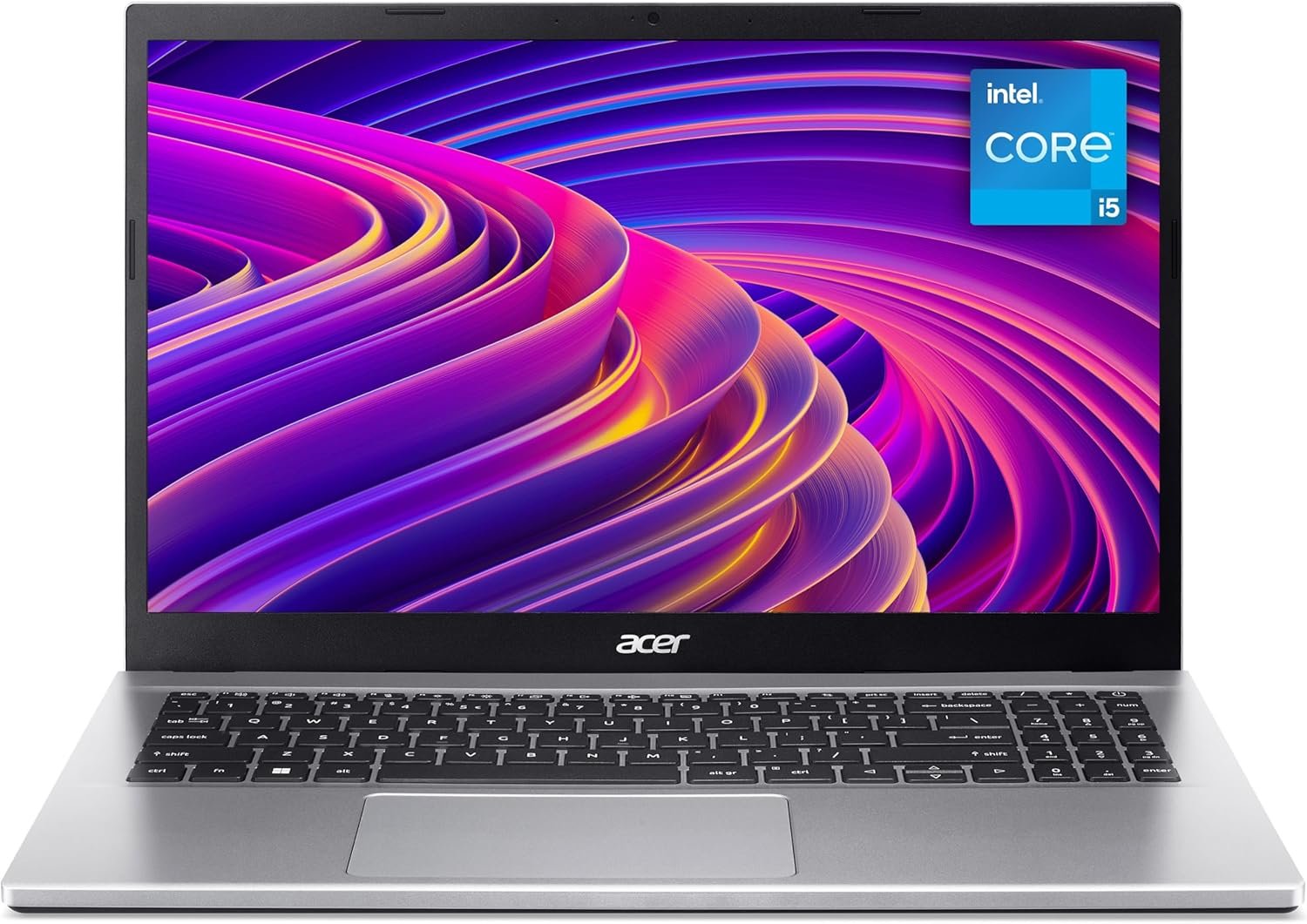
- Display & Performance: The Aspire 5 is your classic budget workhorse. You’ll often see it with Intel Core i5 or AMD Ryzen 5 processors, paired with 8–16GB RAM and a 512GB SSD. That hardware delivers reliable day-to-day performance: from spreadsheets to streaming, to video calls and occasional light photo tweaks.
- Build Quality: Simple but effective. The case is plain plastic built for the daily grind—commuting, lectures, coffee shops. The keyboard often feels surprisingly good for the price, and some models even offer backlighting—a nice touch for late-night work.
- Battery Life: Expect reasonable endurance for everyday use. It should last through study sessions or meetings if you manage screen brightness wisely. It won’t win endurance races, but it’s practical.
- Pricing: In the UK, it typically ranges between £500 and £600 at Currys, Amazon UK, and John Lewis. Deals can nudge it to the lower end, and some setups can drop below £500.
- Known Issues: Don’t expect to run modern AAA games on integrated graphics. The build is straightforward; there are cheaper options if price is your only concern, but they often sacrifice performance.
- Ideal User: Those seeking reliable daily performance on a budget. Ideal for students, secondary office users, or people who mostly use web apps and documents—this is your dependable choice.
The Aspire 5 is, quite frankly, the safe bet. It won't surprise you, but it won't disappoint either—a reliable choice when you’re counting the pennies.
4. Samsung Galaxy Book4 Edge (15.6", X1-26-100, 16GB)
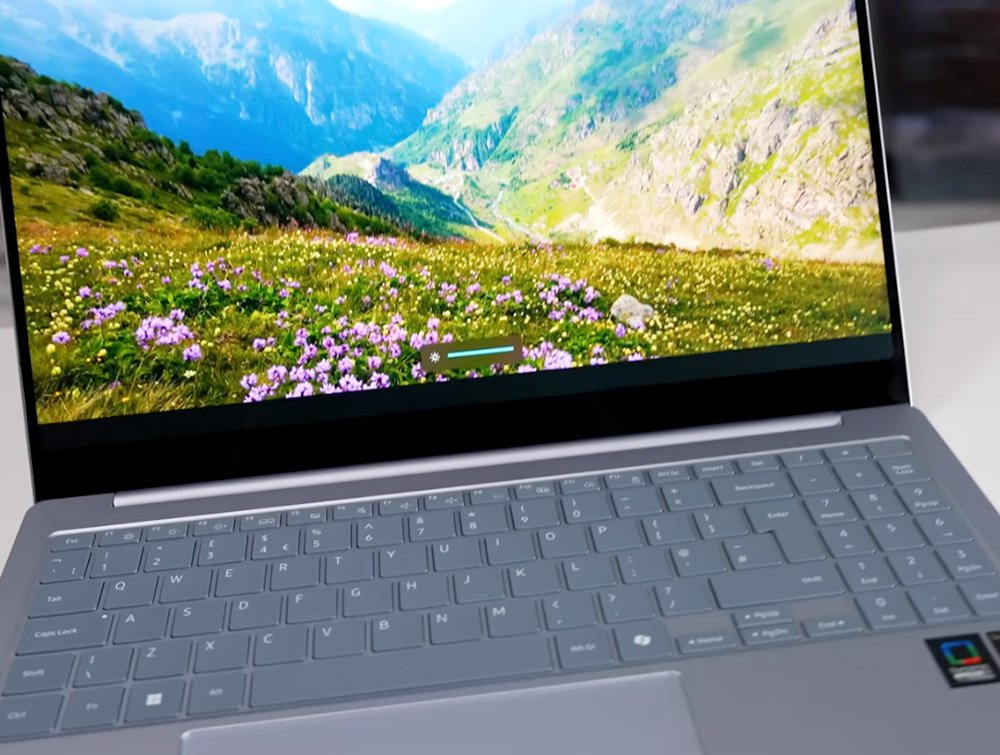
- Display & Performance: The Galaxy Book4 Edge combines a Snapdragon X-series chip with 16GB RAM, delivering smooth performance for everyday work and media. Its 15.6-inch screen balances visibility and portability perfectly, and Windows 11 runs effortlessly on this Arm hardware.
- Build Quality: The Edge stands true to its name—thin and light for a 15.6-inch laptop, weighing around 1.5kg. The chassis feels more refined than some budget rivals, with sleek lines and a slender profile that slips into a bag with ease.
- Battery Life: Thanks to the efficient Snapdragon internals, battery life is one of its strong suits. Expect longer sessions than older x86 laptops of similar power. Of course, exact hours vary with your workload, but for portability, the Galaxy Book4 Edge is a wise choice.
- Pricing: The average UK price is around £619, though deals have pushed it as low as £380. That means you can often snag it under £600 if you’re patient or lucky during sales at Amazon UK or Currys.
- Known Issues: Base storage is on the modest side at 256GB in many SKUs, so you might need an external SSD or cloud storage if you hoard photos or videos. Plus, some niche apps that aren't Arm-optimised may run less efficiently.
- Ideal User: Perfect for frequent travellers, students who shuttle between home and campus, or anyone who wants a sturdy laptop in a lightweight, portable frame. If you value portability and battery life, this one’s hard to beat.
The Galaxy Book4 Edge sets itself apart by marrying portability with capability without feeling like a compromise. It's for those who need a proper laptop without the extra heft.
Comparison Table
| Model | Processor | RAM | Storage | Display | Price |
|---|---|---|---|---|---|
| Asus Vivobook 16 (X1607QA) | Snapdragon X1-26-100 | 16GB | 512GB SSD | 16-inch | Avg £579 (from £429) |
| Acer Aspire 16 (NX.JLNEK.006) | Snapdragon X1-26-100 | 16GB | 1TB SSD | 16-inch | Avg £709 (deals from £499) |
| Acer Aspire 5 | Intel Core i5 / Ryzen 5 | 8–16GB | 512GB SSD (common) | 15.6-inch | Typically £500–£600 |
| Samsung Galaxy Book4 Edge (15.6") | Snapdragon X (X1-26-100) | 16GB | 256GB SSD | 15.6-inch | Avg £619 (deals from £380) |
Buying Guide
Deciding on a laptop under £600 in 2026 isn't just about finding the cheapest option—it's about matching the device to how you actually use it.
- Performance needs: Consider your daily tasks. If it's mainly email, documents, web apps, and video calls, a Snapdragon X model with 16GB RAM delivers speed and battery life. If you depend on legacy Windows-only software or heavier local apps, the Aspire 5 with Intel or Ryzen 5 is the better bet for running x86 apps.
- Storage and memory: A 512GB SSD and 16GB RAM are just the right combo in this range. The Aspire 16’s 1TB option stands out for local media storage. If you find a device with only 256GB (often seen in slimmer models like the Galaxy Book4 Edge), plan for cloud storage or an external SSD, especially if you capture lots of photos or videos.
- Build and portability: Do you prefer a big screen or a lightweight device? 16-inch laptops (Asus Vivobook 16, Acer Aspire 16) offer more workspace but are heavier, while the Samsung Galaxy Book4 Edge strikes a great balance with a lighter build. Consider where you'll use it most: desk, lectures, or on the go.
- Battery life: Snapdragon X devices generally outlast older x86 chips, so if you need all-day battery life without carrying a charger, they’re your best bet. Charging speeds can vary too—a slow charge can be a bother if you often top up between sessions.
- Keyboard and trackpad: If you type a lot, try it out before buying. Acer keyboards often impress; the Vivobook’s trackpad has mixed reviews, so test it if you're not using a mouse.
- Software compatibility and AI features: Arm laptops have improved significantly, with manufacturers offering onboard AI tools for tasks like image generation and transcription. Which? and other UK reviewers have noted these features can be genuinely handy. However, double-check the apps you rely on—some specialised software still prefers x86 architecture.
- Warranties and retailer support: In the UK, purchase from retailers with generous return policies and consider extended warranties if you depend on the laptop for work. John Lewis and Currys offer competitive deals and solid aftercare.
- Deals and timing: Prices fluctuate. If you’re not in a hurry, monitor the models for a while—Vivobook and Galaxy Book4 Edge have seen sizeable discounts during sales events. Set alerts or wait for student offers if eligible.
For an authoritative second opinion before purchasing, Which? offers UK-focused reviews and testing data, while TechRadar and RTINGS provide hands-on impressions that complement retailer information.
Conclusion
Choosing a laptop under £600 in 2026 means making small compromises, not major sacrifices. For most, the Asus Vivobook 16 is the top pick—it offers a large screen, ample RAM, and smart AI features without breaking the bank. If local storage and speedy on-device AI are priorities, the Acer Aspire 16's 1TB version is a rare gem in this price range. For reliable value, the Acer Aspire 5 is the sensible everyday choice. And for those who value portability, the Samsung Galaxy Book4 Edge is surprisingly lightweight and capable.
Editor's pick: Asus Vivobook 16 for balanced performance and screen size. Which laptop sounds like your next gadget? Let me know where you’ll be using it most, and I'll help you narrow down the choices.