Finding the right iPhone without paying for the wrong upgrades
Apple’s range is in an unusual spot this October. The new Pro phones are here, but there’s no standard iPhone 18 alongside them. Prices have also gone up on the iPhone 17 and cheaper models, which makes the choice less straightforward than simply picking the newest phone or the biggest-looking deal.
TL;DR — Our Top Picks at a Glance
- iPhone 17 — Best overall. Excellent screen, versatile cameras and strong battery life. From £899
- iPhone 17e — Best lower-cost choice. Fast A19 chip and 256GB storage. From £699
- iPhone 17 Pro Max — Best previous-generation deal. Big screen and Pro cameras. £1,099 at John Lewis
- iPhone 18 Pro — Best compact flagship. Top-tier cameras without Pro Max bulk. From £1,199
- iPhone 18 Pro Max — Best for battery life. Apple’s most capable conventional iPhone. From £1,299
Want the full breakdown? Keep reading for the trade-offs behind those prices.
Top Picks with Detailed Reviews
1. iPhone 17
- Display & Performance: A 6.3-inch OLED screen with adaptive 120Hz ProMotion, an always-on mode and the A19 chip.
- Cameras: 48MP main and 48MP ultra-wide cameras; the main sensor also provides a useful 2x crop.
- Battery Life: Apple quotes up to 30 hours of video playback.
- Pricing: £899 for 256GB or £1,099 for 512GB from Apple.
- Ideal User: Most people who want an iPhone to keep for several years.
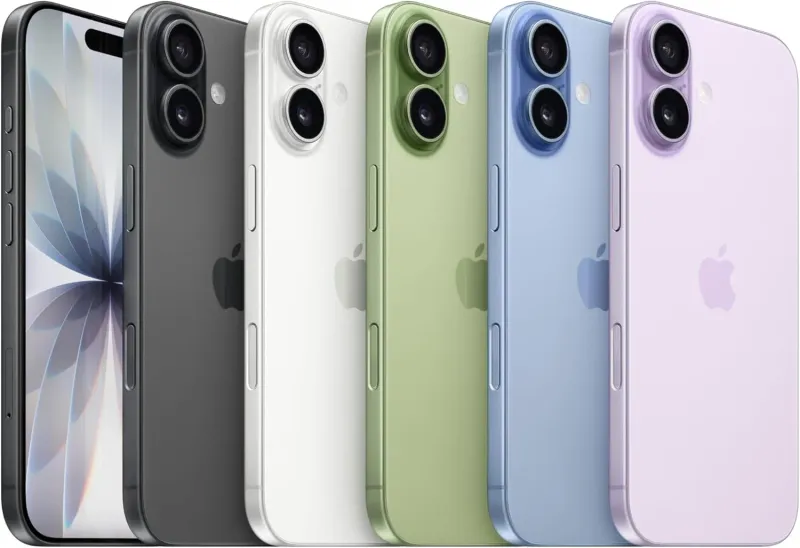
Not sure where to begin? Start with the iPhone 17. It’s the best all-rounder in Apple’s current range, with a mix of features that feels more convincing than any of the pricier upgrades for most people.
The 120Hz screen makes scrolling look and feel smoother than it does on the 17e or iPhone 16. You also get an always-on display, which is handy for a quick glance at the time or your notifications without picking up the phone.
The camera difference is about more than megapixels. All three phones can take good everyday photos, but the 17’s ultra-wide lens gives you room to capture a cramped living room, a whole group of friends or a wide stretch of coastline. You won’t need it every day. When you do, though, you’ll be glad it’s there.
Battery life makes the extra £200 over the 17e a little easier to swallow: Apple’s video playback figure goes from 26 to 30 hours. That doesn’t mean you’ll get 30 hours of mixed use, of course, but it suggests a bit more breathing room on a long day. Both phones have the A19 chip and start at 256GB, so the extra money mainly buys you a better screen, another camera and more battery headroom—not a big leap in speed.
The £899 price is a sting, particularly after Apple’s £100 increase. Still, this is the latest standard iPhone, and the one I’d recommend to most people without a long list of caveats.
2. iPhone 17e
- Display & Performance: A 6.1-inch OLED screen and the same-generation A19 chip as the iPhone 17, but no 120Hz ProMotion.
- Cameras: One 48MP main camera, with an optical-quality 2x crop; no ultra-wide lens.
- Battery Life: Up to 26 hours of video playback, according to Apple.
- Pricing: £699 for 256GB or £899 for 512GB from Apple.
- Ideal User: Anyone who wants a new iPhone at the lowest current UK price.
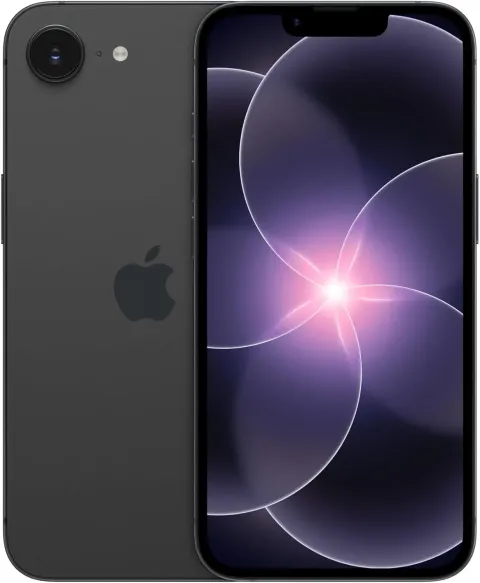
If £899 feels like too much for a phone, the 17e is the obvious place to look. It’s no cut-price afterthought: the A19 chip is quick, the starting 256GB of storage is generous, and the main camera is more than capable of everyday snaps, family photos and the occasional very photogenic lunch.
There are compromises. Its 60Hz screen doesn’t have the same smooth feel as the standard 17, and there’s no ultra-wide camera for fitting more into the frame when you can’t take a step back. The 2x view uses the main sensor rather than a separate telephoto lens. Fine for casual portraits; not the same thing as the longer-range zoom on a Pro.
Apple’s 26-hour video figure points to comfortable all-day battery life for most people, and 15W MagSafe charging is a useful extra. Just bear in mind that playback figures come from controlled conditions. Maps, games and patchy mobile reception can all take a toll.
At £699, the 17e is £100 more expensive than it was before September. Even so, it’s still Apple’s cheapest new iPhone in the UK. At current prices, I’d pick it over the £799 iPhone 16 at Apple: that older model starts with only 128GB, has the previous A18 chip and carries a lower 22-hour playback claim. The 16 only starts to make sense if a retailer cuts the price considerably.
3. iPhone 17 Pro Max
- Display & Performance: A large 6.9-inch, 120Hz OLED display powered by the previous-generation A19 Pro.
- Cameras: Pro-level triple-camera system, including ultra-wide and telephoto options.
- Battery Life: Strong endurance, though the newer 18 Pro Max has the higher quoted battery figure.
- Pricing: £1,099 for 256GB at John Lewis; a 1TB version is listed at £1,499.
- Ideal User: Big-screen and camera enthusiasts happy to buy last year’s model new.
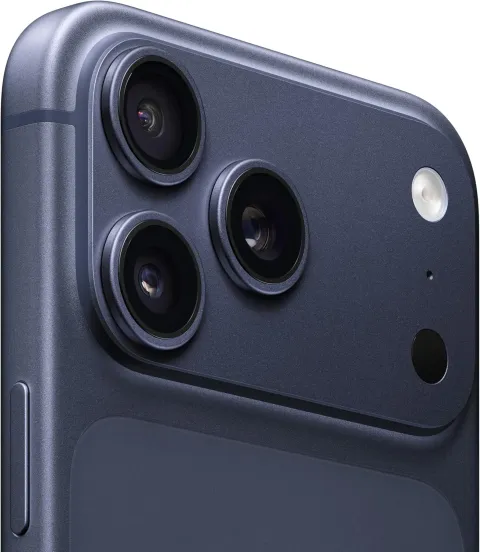
Here’s the deal that makes Apple’s pricing look a little odd. John Lewis has a new 256GB iPhone 17 Pro Max listed for £1,099—the same starting price as Apple’s thin iPhone Air, and £200 less than the new 18 Pro Max. If it’s still available when you’re shopping, it’s well worth a look.
You get a much larger screen than on the standard iPhone 17, plus a dedicated telephoto camera for extra reach. That’s useful for portraits, distant details and holiday photos when getting closer to the subject isn’t an option. The ultra-wide completes a much more flexible camera setup than the Air’s single rear camera.
There is a catch: this is last year’s Pro Max. Don’t buy it if you specifically want the A20 Pro or the 18 Pro Max’s headline battery improvements. And its 6.9-inch body is a lot of phone to carry around. If you’re after something comfortable to use one-handed, try one in a shop first.
Retailer stock and clearance prices can shift quickly, so think of £1,099 as a deal that’s available while stocks last, not a permanent new price. At that figure, though, it’s an excellent alternative to paying extra for a thinner phone or the latest badge.
4. iPhone 18 Pro
- Display & Performance: A 6.3-inch, 120Hz always-on OLED display and Apple’s A20 Pro chip.
- Cameras: Triple 48MP rear cameras covering main, ultra-wide and telephoto shooting.
- Battery Life: Apple quotes up to 36 hours of video playback.
- Pricing: £1,199 for 256GB or £1,399 for 512GB from Apple.
- Ideal User: Keen photographers who want current Pro features in a manageable size.
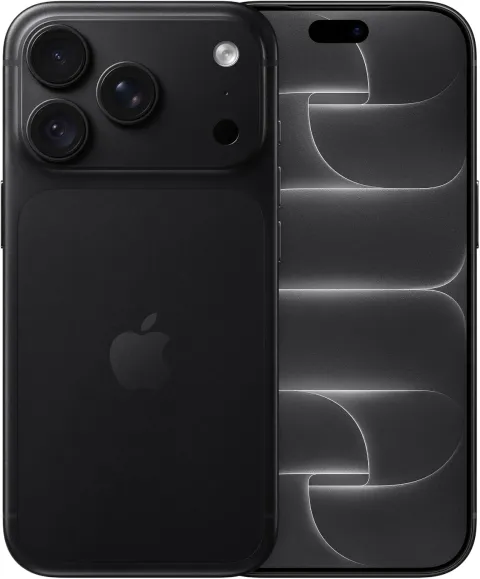
The iPhone 18 Pro is for anyone who likes the iPhone 17 but wants more than its 2x crop can offer. A dedicated telephoto lens gives you greater flexibility, while the main and ultra-wide cameras round out a proper flagship setup. Image processing has improved too, though you might not notice that in every photo.
Unlike the Pro Max, it sticks with a 6.3-inch screen. For plenty of people, that’s the more practical size: a 6.9-inch display sounds lovely on a train, but carrying one around all day is another matter. You still get ProMotion, an always-on display and Apple’s newer A20 Pro chip.
Apple’s battery figures show a worthwhile jump over the standard 17: up to 36 hours of video playback, rather than 30. Faster wired charging is handy as well; Apple says a suitable charger can get the phone to around 50% in 15 minutes. Those are quoted figures, though, not a guarantee for every charger or every day.
So, is it worth £300 more than the iPhone 17? Only if you’ll use the zoom, want more battery headroom or prefer a current flagship in a manageable size. The cheaper phone already has an excellent display, a capable pair of cameras and the same 256GB starting storage. If the Pro’s extras don’t matter to you, keep the £300.
5. iPhone 18 Pro Max
- Display & Performance: A 6.9-inch, 120Hz OLED display with the A20 Pro chip.
- Cameras: Triple 48MP rear cameras, including a 4x optical telephoto, plus LiDAR.
- Battery Life: Up to 45 hours of video playback for the eSIM-only configuration, according to Apple.
- Pricing: £1,299 for 256GB or £1,499 for 512GB from Apple.
- Ideal User: Heavy users who want the biggest screen, most camera flexibility and longest quoted battery life.
If you’re not worried about price or pocket space, the 18 Pro Max is Apple’s most capable conventional iPhone. The big screen is a pleasure for films, photo editing and reading, while the three-camera setup covers everything from wide scenes to genuinely useful 4x optical zoom. It’s also a good fit for people who shoot a lot of video and want Apple’s advanced recording options.
The real headline is battery life. Apple quotes up to 45 hours of video playback—well above the standard 17’s 30 hours and the smaller 18 Pro’s 36. That 45-hour figure applies to the eSIM-only configuration, so don’t assume every version has the same rating. And a playback test isn’t a prediction of how long the battery will last while you’re filming, using maps and trying to find a signal all weekend.
At the same 256GB capacity, it costs £100 more than the 18 Pro. That’s reasonable if you’ll make use of the larger screen and extra endurance. The £1,099 iPhone 17 Pro Max deal is tougher competition, though: the older model already gives you a big Pro display and versatile cameras.
Buy the 18 Pro Max because its specific improvements suit how you use a phone—not simply because it’s at the top of Apple’s shop page.
Comparison Table
| Model | Chip | Storage | Display | Cameras | Price |
|---|---|---|---|---|---|
| iPhone 17 | A19 | 256GB | 6.3in OLED, 120Hz | 48MP main + 48MP ultra-wide | From £899 |
| iPhone 17e | A19 | 256GB | 6.1in OLED, 60Hz | 48MP main | From £699 |
| iPhone 17 Pro Max | A19 Pro | 256GB | 6.9in OLED, 120Hz | Triple rear cameras | £1,099 at John Lewis |
| iPhone 18 Pro | A20 Pro | 256GB | 6.3in OLED, 120Hz | Triple 48MP rear cameras | From £1,199 |
| iPhone 18 Pro Max | A20 Pro | 256GB | 6.9in OLED, 120Hz | Triple 48MP rear cameras + LiDAR | From £1,299 |
Prices are for the storage shown. The iPhone 17 Pro Max price is a retailer listing and depends on stock; the other starting prices are Apple UK prices.
Buying Guide
-
Which size and screen? The 6.1-inch 17e is the straightforward smaller option, while the 6.3-inch 17 and 18 Pro sit in a comfortable middle ground. A 6.9-inch Pro Max is brilliant for films and editing, but it’s not much fun in a tight pocket. Don’t overlook screen quality, either: the 17’s 120Hz ProMotion is a noticeable step up from the 17e’s 60Hz panel. If weight and feel matter most, try Apple’s thin iPhone Air in person—but think about its camera and battery compromises before paying extra for the design.
-
Budget considerations: Apple’s cheapest new iPhone costs £699; there’s no secret £500 model in its current UK range. The iPhone 16 is still sold new for £799 with 128GB, but that’s hard to justify beside the 256GB 17e at £699 or the £899 iPhone 17. Apple’s Air starts at £1,099 for 256GB, though John Lewis has listed its 512GB model for £999. That’s a decent storage deal if a thin phone is what you’re after; for most people, the standard 17 is the better buy. Compare SIM-free prices with the full cost of a network contract, including any annual rises. Trade-in credit can bring your bill down, but it isn’t a discount everyone can get.
-
Cameras, battery and updates: For plenty of people, a good main camera is all they need. The 17’s ultra-wide is worth paying for if you often photograph groups or interiors; go for a Pro if you want dedicated telephoto reach. Apple’s video-playback figures are useful for comparing phones, not predicting your own screen-on time. You can expect years of iOS updates, but don’t bank on a specific end date: Apple hasn’t promised one for each phone here. For long-term use, the newer 17e, 17 and 18 Pro are safer bets than paying close to their prices for an iPhone 16.
Conclusion
Editor’s Choice: iPhone 17. It’s the one I’d point most UK shoppers towards. The screen, cameras, battery and 256GB starting storage all earn their keep, even after September’s price rise.
Want to spend less? The iPhone 17e makes a lot of sense without feeling painfully stripped back. Spending more is worthwhile when you have a reason—better Pro cameras or the Pro Max’s battery, for instance—not just because the monthly payment looks manageable. And if John Lewis still has that new £1,099 iPhone 17 Pro Max, compare it before paying full price for a newer flagship.